
Why Every Minnesota Home Should Be Tested for Radon
If you can’t see it, smell it, or taste it, would you know it was in your home?
That’s the reality of radon. It’s an invisible, odorless, radioactive gas that can accumulate inside homes and buildings without any warning signs. In Minnesota, radon isn’t just a possibility, it’s one of the most common environmental hazards homeowners face.
Whether you’re buying a home, selling one, or have lived in your house for years, understanding radon and getting your home tested is one of the most important steps you can take to protect your family’s health.
What Is Radon?
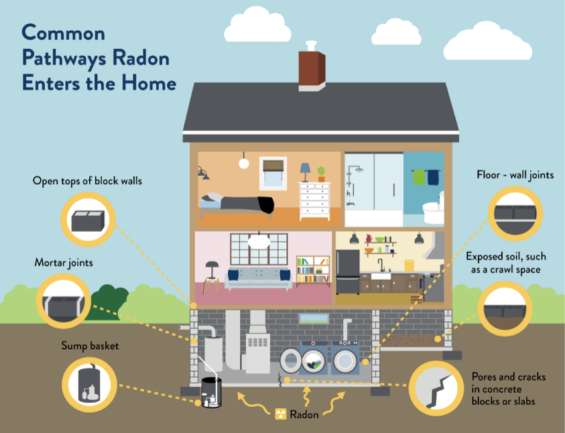
Radon is a naturally occurring radioactive gas produced by the breakdown of uranium in soil and rock. As it forms underground, it travels through the soil and can enter homes through openings in the foundation, including:
- Foundation cracks
- Construction joints
- Gaps around plumbing or utility penetrations
- Sump pits
- Crawl spaces
- Floor drains
Once inside, radon can become trapped and build to unsafe levels.
Why Is Radon Dangerous?
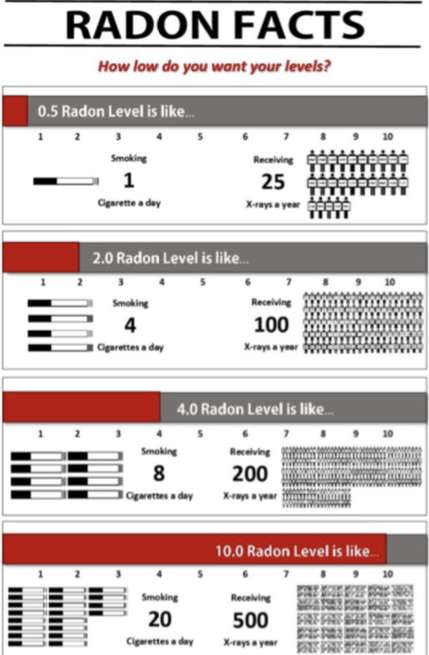
According to the U.S. Environmental Protection Agency (EPA), radon is the second leading cause of lung cancer in the United States and the leading cause among non-smokers.
Long-term exposure to elevated radon levels increases your risk of developing lung cancer. The risk becomes even greater for smokers or former smokers.
The concerning part is that symptoms typically don’t appear until years after prolonged exposure, making testing the only way to know if your home has elevated radon levels.
Why Is Radon Such a Big Concern in Minnesota?
Minnesota has some of the highest radon levels in the country.
The state’s geology contains granite and glacial soils that naturally produce significant amounts of radon. Combined with our long winters, homes remain tightly sealed for much of the year, allowing radon to accumulate indoors.
In fact:
- Approximately 2 in 5 Minnesota homes have radon levels above the EPA action level of 4.0 pCi/L.
- Every county in Minnesota has homes with elevated radon.
- New homes are not immune. Even newly constructed homes with modern building practices can have high radon levels.
Many homeowners assume a newer home won’t have radon, but age is not a reliable indicator.
Can My Neighbor Have Low Radon If Mine Is High?
Absolutely.
Radon levels can vary dramatically from one house to the next, even between neighboring homes built by the same builder.
Factors that influence radon levels include:
- Soil conditions beneath the home
- Foundation design
- Construction details
- Ventilation
- Air pressure differences
Because of these variables, your neighbor’s radon test tells you nothing about your own home’s radon level.
Every home should be tested individually.
When Should You Test for Radon?
The best times to schedule radon testing include:
- During a home purchase
- Before listing your home for sale
- Every two years as part of routine home maintenance
- After finishing a basement
- After major renovations
- After installing a mitigation system to verify its effectiveness
Even if your home tested low years ago, conditions can change over time.
What Happens During a Professional Radon Test?
Professional radon testing is simple and non-invasive.
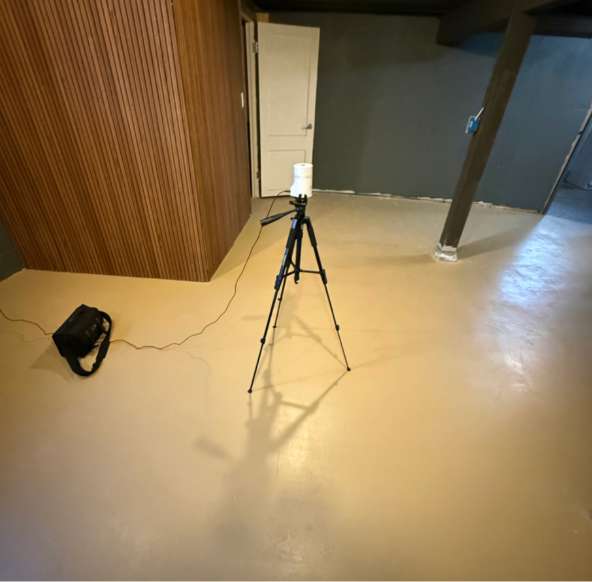
A continuous radon monitor is placed in the home’s lowest livable level and remains in place for a minimum of 48 hours under closed-house conditions. The monitor records radon levels continuously throughout the testing period.
After the test is complete, you’ll receive a detailed report explaining the results and whether further action is recommended.
Professional testing offers greater accuracy and reliability than many do-it-yourself kits, especially during a real estate transaction.
What if My Home Has High Radon?
Finding elevated radon isn’t a reason to panic.
The good news is that radon can usually be reduced to safe levels with a professionally installed mitigation system.
Most systems work by creating negative pressure beneath the foundation and safely venting radon above the roofline before it enters the home.
Many mitigation systems can reduce radon levels by 90% or more.
Peace of Mind Starts with Testing
Because radon has no warning signs, testing is the only way to know your home’s radon level.
Whether you’re buying your first home, selling your current one, or simply looking out for your family’s long-term health, a professional radon test provides valuable information and peace of mind.
In Minnesota, where elevated radon is common, testing shouldn’t be considered optional. It should be part of every homeowner’s routine maintenance plan.
Schedule Your Minnesota Radon Test
At Northwoods Home Inspection Group, we provide professional radon testing using continuous radon monitoring equipment that delivers accurate, reliable results. If you’re purchasing a home or simply want to know your family’s level of exposure, we’re here to help you make informed decisions with confidence.
Because when it comes to radon, the only way to know is to test.


Leave a Reply
Want to join the discussion?Feel free to contribute!