
How to Prevent Water from Entering Your Basement
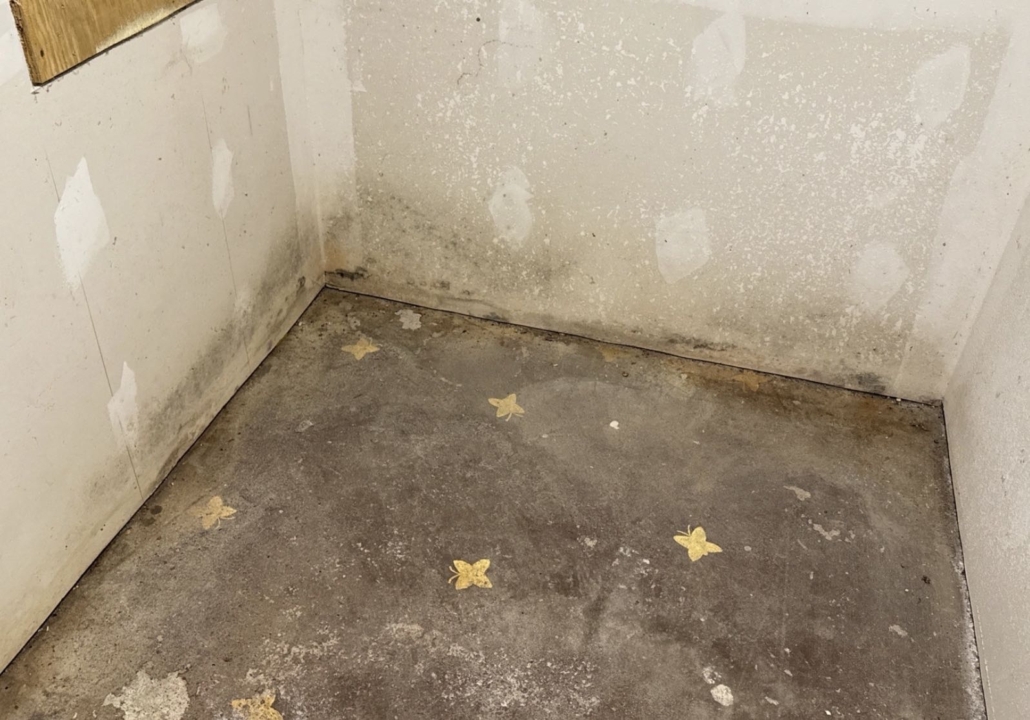
Water in your basement is one of the most common and frustrating problems homeowners face. Whether it’s a small damp spot after a heavy rain or standing water that appears out of nowhere, moisture can lead to mold growth, structural damage, ruined belongings, and expensive repairs.
The good news? Most basement water problems start with issues that can be identified and corrected before they become major headaches.
1. Start Outside: Most Basement Water Problems Begin There
Many homeowners assume a leaking basement means the foundation has failed. In reality, the majority of water intrusion starts because rainwater isn’t being directed away from the home.
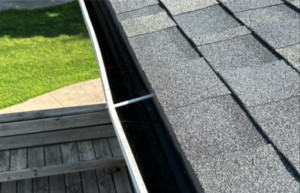
Check Your Gutters
Your gutters should collect rainwater and move it safely away from your foundation. If they’re clogged with leaves or overflowing during a storm, water can pool around the home’s perimeter and eventually find its way inside.
Inspect for:
- Clogged gutters
- Sagging or damaged sections
- Water overflowing during rainfall
2. Make Sure Downspouts Discharge Far Enough Away
Even perfectly functioning gutters won’t help if the downspouts dump water right next to the foundation.
A good rule of thumb is to extend downspouts at least 5 feet away from the home whenever possible.
Signs of a problem include:
- Erosion below the downspout
- Standing water near the foundation
- Basement leaks that occur after heavy rain
3. Check the Grading Around Your Home
The soil around your home should slope away from the foundation. Over time, the ground naturally settles, creating low spots that collect water.
Look for:
- Soil sloping toward the home
- Depressions where water sits
- Mulch or landscaping trapping water against the foundation
Proper grading is one of the simplest and most effective ways to reduce basement water intrusion.
4. Inspect Foundation Cracks
Not every crack leaks, but every crack deserves attention.
Pay close attention to:
- Horizontal cracks
- Stair-step cracks in block foundations
- Wide or expanding cracks
- Cracks with water staining or mineral deposits
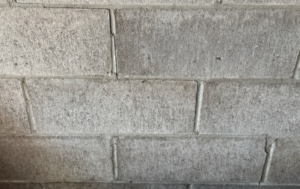
Small shrinkage cracks are common in concrete, but larger or changing cracks should be evaluated by a qualified professional.
5. Window Wells Can Become Mini Swimming Pools
Basement window wells frequently collect rainwater, leaves, and debris.
If the drain becomes clogged, water can rise high enough to leak through the window and into the basement.
Inspect for:
- Standing water
- Clogged drains
- Damaged window seals
- Missing or broken window well covers
6. Watch for Plumbing Leaks
Not every wet basement is caused by rain.
Sometimes the culprit is:
- A leaking water supply pipe
- Drainpipe leaks
- Water heater failures
- HVAC condensate drain problems
If moisture appears regardless of the weather, plumbing should be one of the first things checked.
7. Check Your Sump Pump
If your home has a sump pump, it’s your first line of defense during heavy rain.
Test it by pouring water into the sump pit. The pump should activate, discharge the water, and shut off properly.
Also inspect:
- Discharge pipe location
- Check valve operation
- Battery backup (if installed)
A sump pump that fails during a storm often isn’t discovered until the basement is already flooded.
8. Seal Foundation Penetrations
Water doesn’t need a large opening to get inside.
Inspect areas where utilities enter the home, including:
- Electrical conduit
- Gas piping
- Water service lines
- Cable or internet lines
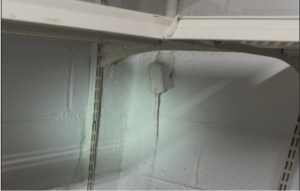
Any gaps around these penetrations should be properly sealed to reduce water intrusion.
9. Look for Signs Before You See Water
Sometimes the warning signs appear long before an actual leak.
Watch for:
- Musty odors
- White mineral deposits (efflorescence) on foundation walls
- Peeling paint
- Rust on metal components
- Damp carpeting
- Mold or mildew growth
These clues often indicate moisture has been present for some time.
10. Know When to Call a Professional
If water is entering your basement repeatedly, don’t just clean it up and hope it doesn’t happen again.
A professional inspection can help identify the source of the problem, whether it’s:
- Improper grading
- Roof drainage issues
- Foundation defects
- Plumbing leaks
- Failed waterproofing systems
- Drain tile or sump pump problems
Finding the source early can save thousands of dollars in future repairs.
The Bottom Line
Water entering your basement is usually a symptom, not the actual problem.
The key is identifying where the water is coming from before it causes significant damage. Regularly inspecting your gutters, grading, foundation, drainage systems, and plumbing can dramatically reduce your chances of dealing with basement leaks.
After every heavy rain, take a few minutes to walk around your home’s exterior and basement. Catching a small issue today could prevent a costly repair tomorrow.


Leave a Reply
Want to join the discussion?Feel free to contribute!