
Air Quality Testing Matters in Every Home

When most people think about their home, they focus on what they can see. Layout, finishes, structure. But one of the most important factors in a home is something you can’t see at all: the air you breathe every day.
Indoor air quality (IAQ) plays a major role in comfort, health, and overall living conditions. The challenge is that issues often go unnoticed without proper testing.
What Is Air Quality Testing?
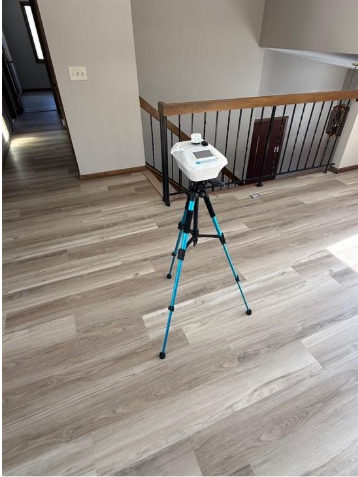
Air quality testing evaluates the overall condition of the air inside a home by measuring:
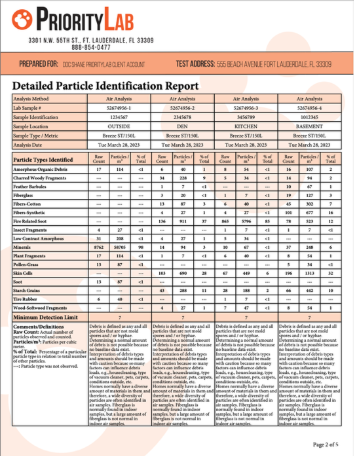
- Airborne particulates (over 30 type of particulates)
- Pollen
- Pet Dander
- Fiberglass
- Soot
- Ash
- Insect Debris
These factors all contribute to how “clean” or “stale” the air inside a home feels. Even if everything looks perfectly fine.
Why It’s More Important Than People Realize
Indoor air can often be more polluted than outdoor air.
- The EPA reports indoor air can be 2 to 5 times more polluted than outside air
- People spend roughly 90% of their time indoors
- Poor indoor air quality has been linked to fatigue, headaches, and respiratory irritation
In climates like Minnesota, homes are built tighter to improve energy efficiency. While that helps with heating and cooling, it can also reduce natural airflow allowing contaminants to build up over time.
What Impacts Air Quality in a Home?
A variety of everyday factors can influence indoor air quality:
- Cleaning products and chemicals
- Pets and normal household dust
- Inadequate ventilation systems
- High or low humidity levels
Most of these are part of normal living which is exactly why testing can be useful. It helps determine whether levels are within a typical range or elevated beyond what’s expected.
When Should You Consider Testing?
Air quality testing isn’t just for homes with obvious concerns. In many cases, it’s most valuable as a baseline.
You might consider it if:
- You’re purchasing a home and want a more complete understanding
- The home has recently been updated or remodeled
- The air feels stuffy, stale, or inconsistent
- Occupants experience unexplained discomfort indoors
- You simply want to verify the overall indoor environment
It’s less about reacting to a problem and more about understanding the environment you live in.
What Do the Results Tell You?
Air quality testing provides measurable data. Not guesswork.
Results can help:
- Identify elevated particulate levels
- Evaluate ventilation performance
This allows homeowners to make informed decisions, whether that means improving ventilation, or simply gaining peace of mind.
Simple Ways to Improve Air Quality
Even without testing, there are practical steps that can help maintain better indoor air:
- Change HVAC filters regularly
- Use exhaust fans in kitchens and bathrooms
- Maintain indoor humidity between 30–50%
- Introduce fresh air when weather allows
- Limit use of harsh chemical products indoors
Small adjustments can make a noticeable difference over time.
Final Thoughts
Air quality is one of the few aspects of a home that affects you every single day but is rarely measured.
Testing isn’t about creating concern. It’s about gaining a clearer picture of your indoor environment and understanding what’s happening beyond what you can see.
For homeowners and buyers alike, that added insight can make a meaningful difference in how a home feels and functions.


Leave a Reply
Want to join the discussion?Feel free to contribute!